One thing I have always known about myself is that I love to travel.
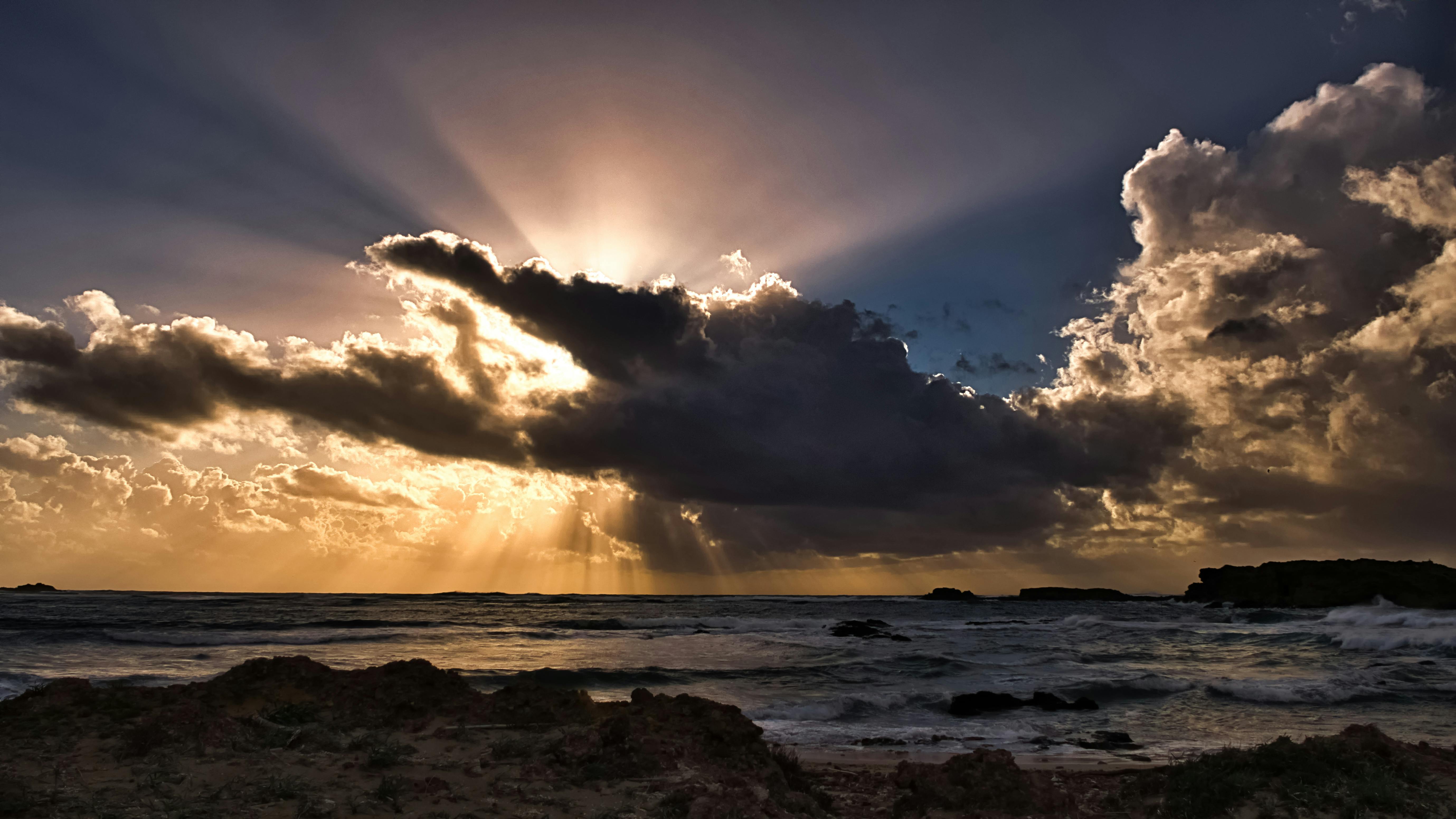
I love watching the forest pass by while driving toward a new destination. I love the way water churns behind a cruise ship, the way waves crash against the sand on an empty beach. I love the smell of the woods in summer — crisp air layered with the scent of a thousand trees, settling into my chest and making me feel like I am home.
Growing up, that was all I really knew about myself.
I couldn’t choose a favorite color — my answer was always red, black, and silver, all equally. I couldn’t tell you my favorite show or pick a favorite book. I didn’t know what I wanted to be when I grew up. When I tried to imagine my future, all I saw was a white expanse of nothingness.
What I did know was that I was in pain.
It was a deep, dull pain I couldn’t explain or name — a pain that lived just under the surface of my mind and my heart. I knew I couldn’t connect with people the way everyone else seemed to do so effortlessly, but I didn’t know why. So I adapted.
I became a mirror.
I learned how to be exactly what people needed me to be — helpful, happy, reliable. I tried so hard to prove that I wasn’t empty, that I was useful, that I deserved to take up space. And it worked. No one noticed that I was hurting.
I used to say, “I feel alone in a crowded room full of familiar faces.”
When I said that to friends, I was met with accusing side-eyes or quick reassurances — not when you’re with me right? I couldn’t bring myself to tell them that they made me feel alone too. How do you tell the people who are supposed to be your friends that they make you feel less than human? That you feel like an infallible robot — responsible, level-headed, and emotionally contained — at thirteen years old?
There was immense pressure to be okay. To be perfect. And when I wasn’t perfect, it meant cold shoulders from friends and disappointment from adults. I constantly felt like I was drowning.
At home, I spent most days in my room, escaping into fictional worlds and magical schools — places where I imagined being surrounded by people who understood me, who truly saw me. I wished I could sink into those books and stay there.
I wasn’t close with my mom. I understood that she worked constantly, and I understood why. My dad was always home, but he felt impossibly far away, his door always closed. My siblings lived their own lives, and they lived them fully. Some nights, while I sat alone in my room, I could hear them laughing together — joking, existing — while I waited for someone to notice I wasn’t there.
No one did.
So I learned how to live with loneliness. I learned how to cope.
It wasn’t until I was finally on my own that I began to feel real emotions. I distanced myself from my family for a while because I needed space — space to figure out who I was without the weight of other people’s expectations. I learned about boundaries. I went to therapy. I started to understand my trauma instead of burying it.
I made friends I didn’t grow up with — friends who loved me for who I was, not for what I provided. I let a man into my heart and allowed him to see me, until he no longer deserved that access.
And then came the anger.
I began to resent my childhood, my family, the people who had hurt me — intentionally or not. I wanted distance from everything that reminded me of who I used to be, because I couldn’t go back to that version of myself. I told myself I was moving forward, but moving forward requires releasing what holds you back — and I wasn’t ready to let go of my anger or my sadness.
I couldn’t stop thinking about how alone my younger self had been.
So I went back home.
After moving endlessly, after a failed marriage, I returned to Pennsylvania for a year and a half. I reconnected with old friends and realized I truly had only one. I went back to the house I grew up in and tried — and failed — to fix it. I moved to a different city in PA and finally said the things I had been holding in for years.
I spoke hard truths to friends and family about how they had affected my childhood.
And it freed me in ways I didn’t know were possible.
Each mental roadblock I removed brought me closer to understanding who I am. I still don’t know everything about myself — and I don’t need to. I have time to surprise myself. But the more internal work I do, the clearer my vision becomes.
I am ready.
And I am willing to do the work.